EN
EN
 ja
ja  ko
ko  fr
fr  de
de  es
es  it
it  ru
ru  da
da  pl
pl  nl
nl 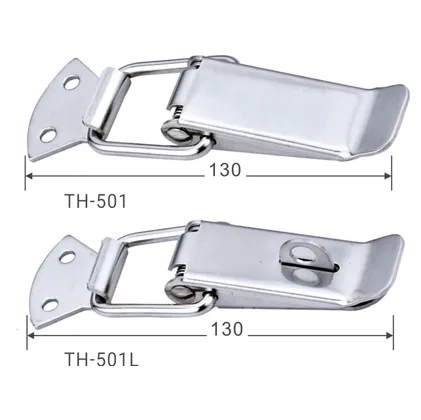

 Jan 20, 2024
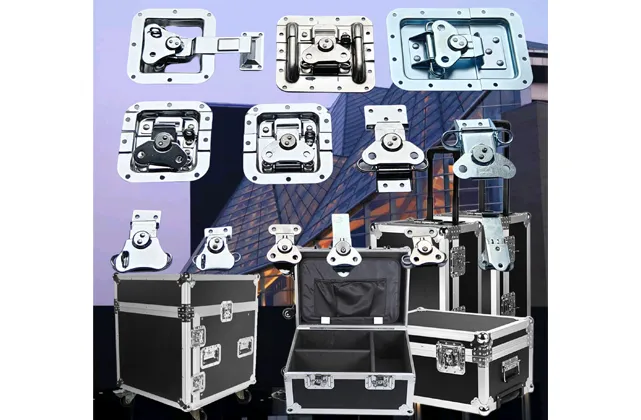
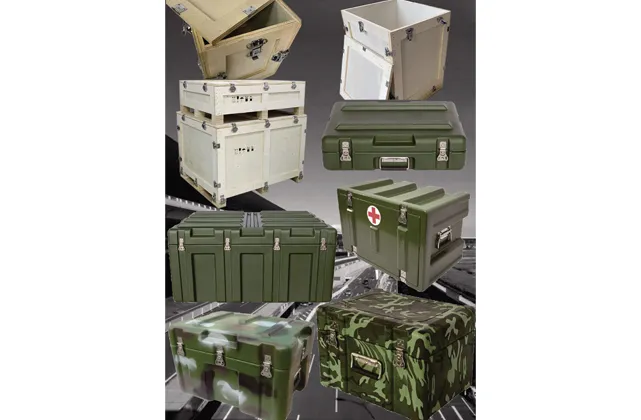
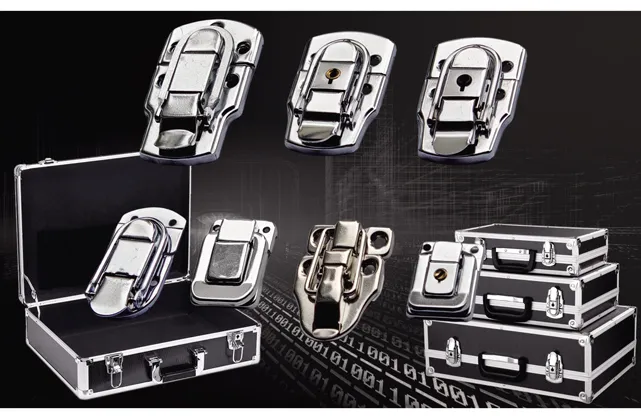
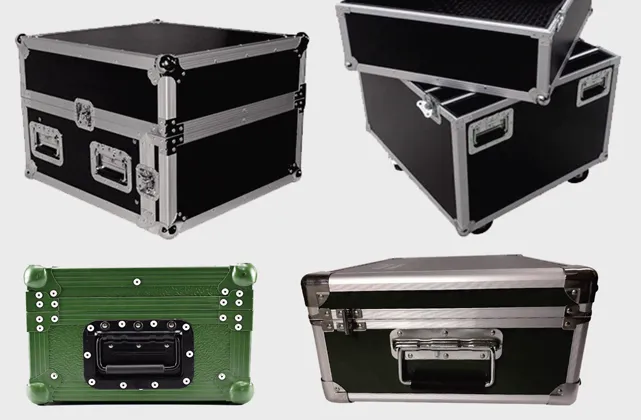
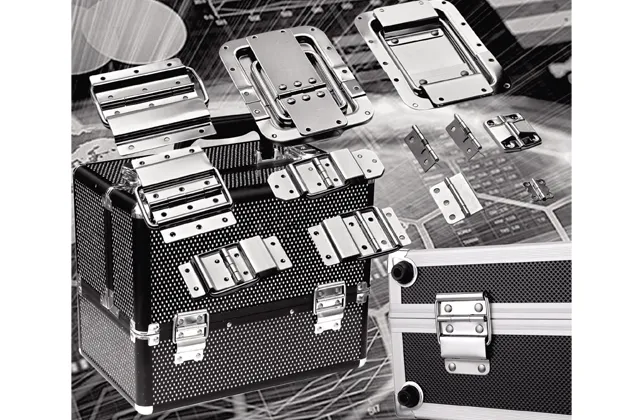
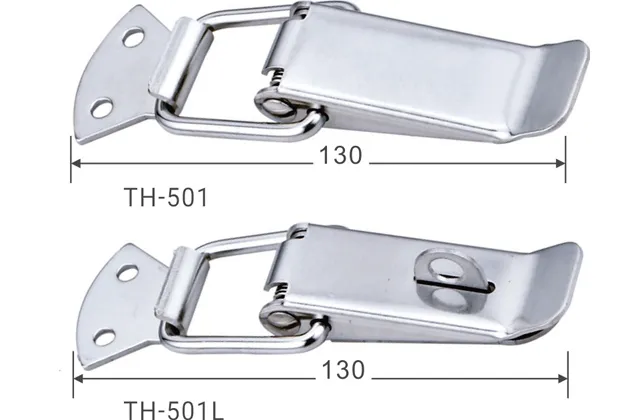
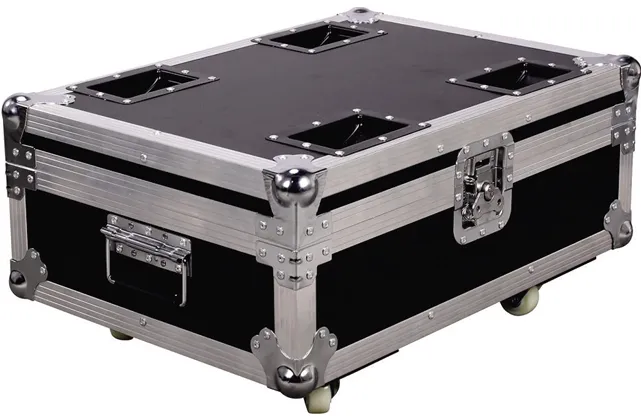
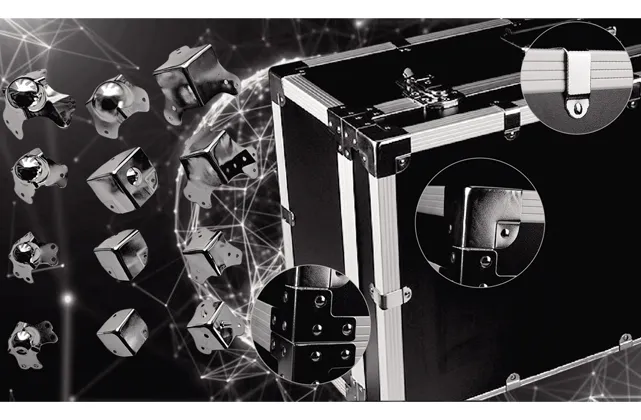
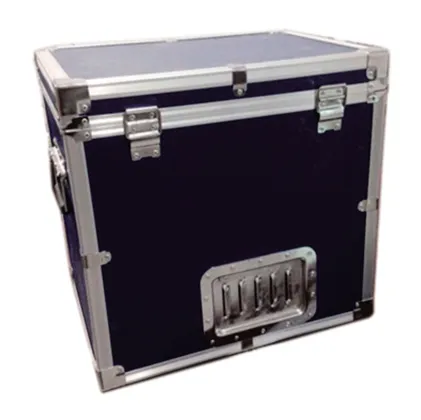

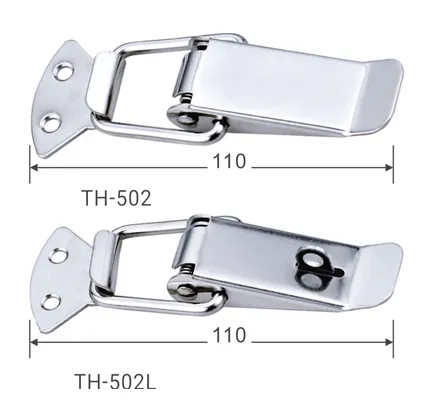
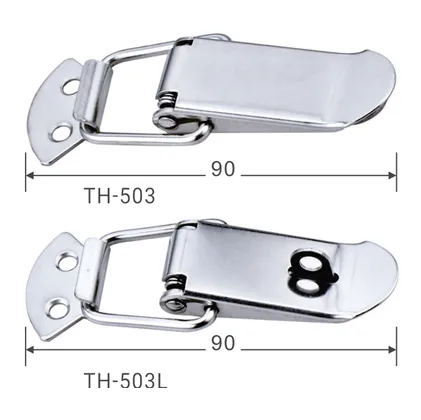
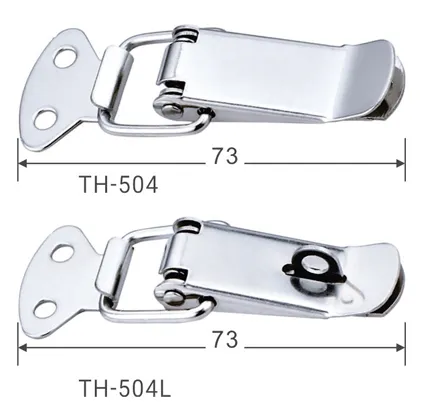
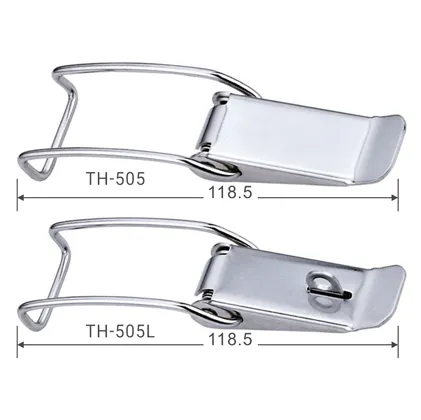
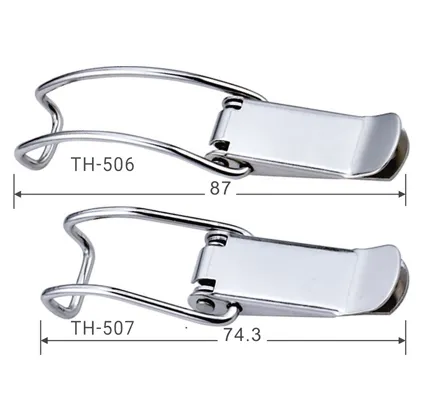
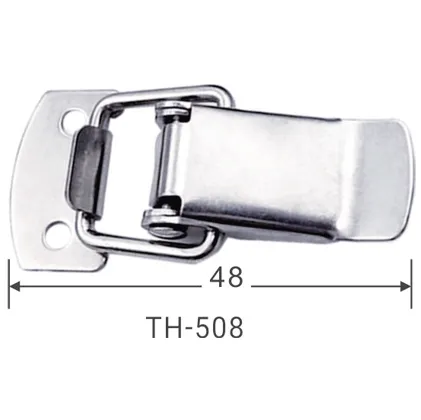
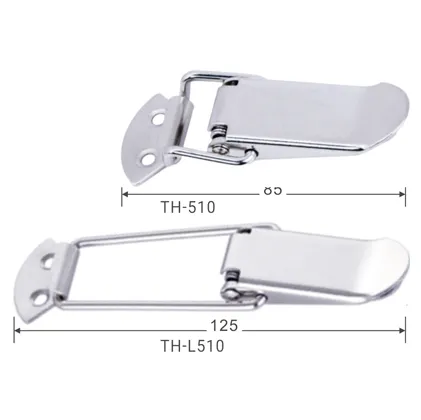
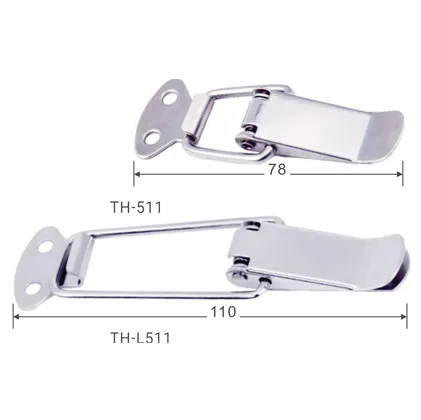
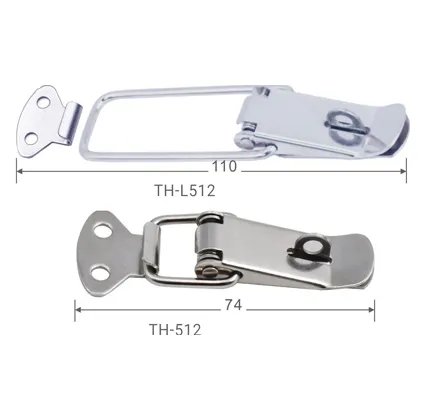
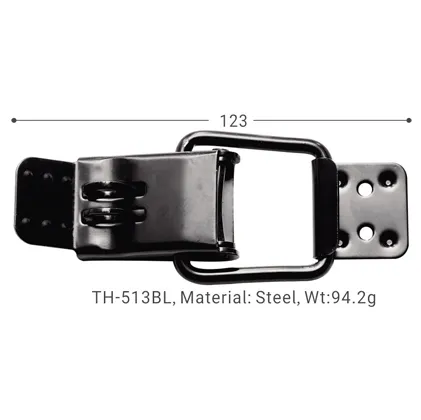
The tension clasp series is a high-performance fastening device that provides sustained tension and resistance to vibration loosening through a unique spring structure. Unlike ordinary latches, it is an ideal choice for achieving high-level sealing and shock protection.
1. Sustained Tension:
The key feature is that once latched, the latch provides consistent pressure, preventing loosening due to minor material deformation of the case caused by vibration or temperature changes.
2. Shock and Loosening Resistance:
The built-in spring effectively absorbs and buffers vibrations, preventing accidental opening during transport, thus providing enhanced safety.
3. Good Sealing:
The continuous pressure helps to compress the sealing gasket along the case edges, achieving excellent dust-proof, moisture-proof, and even water-resistant performance.
4. Excellent Handling Feedback:
When latched, there is typically a clear “click” sound, providing distinct feedback for secure closure. Opening the latch requires a certain amount of force to overcome the spring pressure, ensuring a solid, reliable feeling.
5. Automatic Compensation:
The latch can compensate for small gaps caused by manufacturing tolerances or long-term wear and tear, ensuring tight closure over time.
1. Components:
Typically composed of a spring-loaded movable latch head and a fixed latch base.
2. Latching:
The movable latch head is pressed towards the latch base. When the latch head contacts the base, it compresses the internal spring until the latch head slides into the locking position.
3. Locking:
Once the latch head is in place, the compressed spring continues to push back, pulling the case lid tightly toward the body, creating tension to secure the lock.
4. Opening:
Usually, a pull ring or wrench is used to release the latch head. The spring force helps the latch head pop open.
1. Adjustable Tension Latch:
Some high-end models feature an adjustable latch base, allowing precise control of the locking tension to meet different sealing requirements.
2. Locking Function:
Many models integrate a lock hole, allowing the pull ring to be locked with a padlock or built-in key lock to prevent unauthorized opening.
3. Materials:
The main body is typically made of zinc alloy or stainless steel to ensure strength and durability, while the spring is made of high-carbon steel.
This type of latch, which provides stable pressure, is ideal for situations requiring high sealing and shock resistance:
1. Precision Instrument Transport Cases:
Prevents internal equipment from shaking and being damaged due to case loosening.
2. Outdoor Communication/Power Equipment Cases:
Ensures sealing in harsh weather conditions, providing waterproof and dustproof protection. Also suitable for electronic control unit enclosures in cars and ships.
3. High-End Photography Equipment Cases, Drone Transport Cases:
Military equipment cases.